UNESCO City of Gastronomy
Chengdu Food Guide
Chengdu’s food is not simply hot. It is layered, social and deeply connected to everyday life. The best way to understand it is across several different kinds of meals.
Why Chengdu is a food city
Chengdu joined UNESCO’s Creative Cities Network in 2010 in the field of gastronomy. UNESCO describes it as a cradle and center of Sichuan cuisine, known for combining sweet, sour, bitter, spicy and salty flavors.
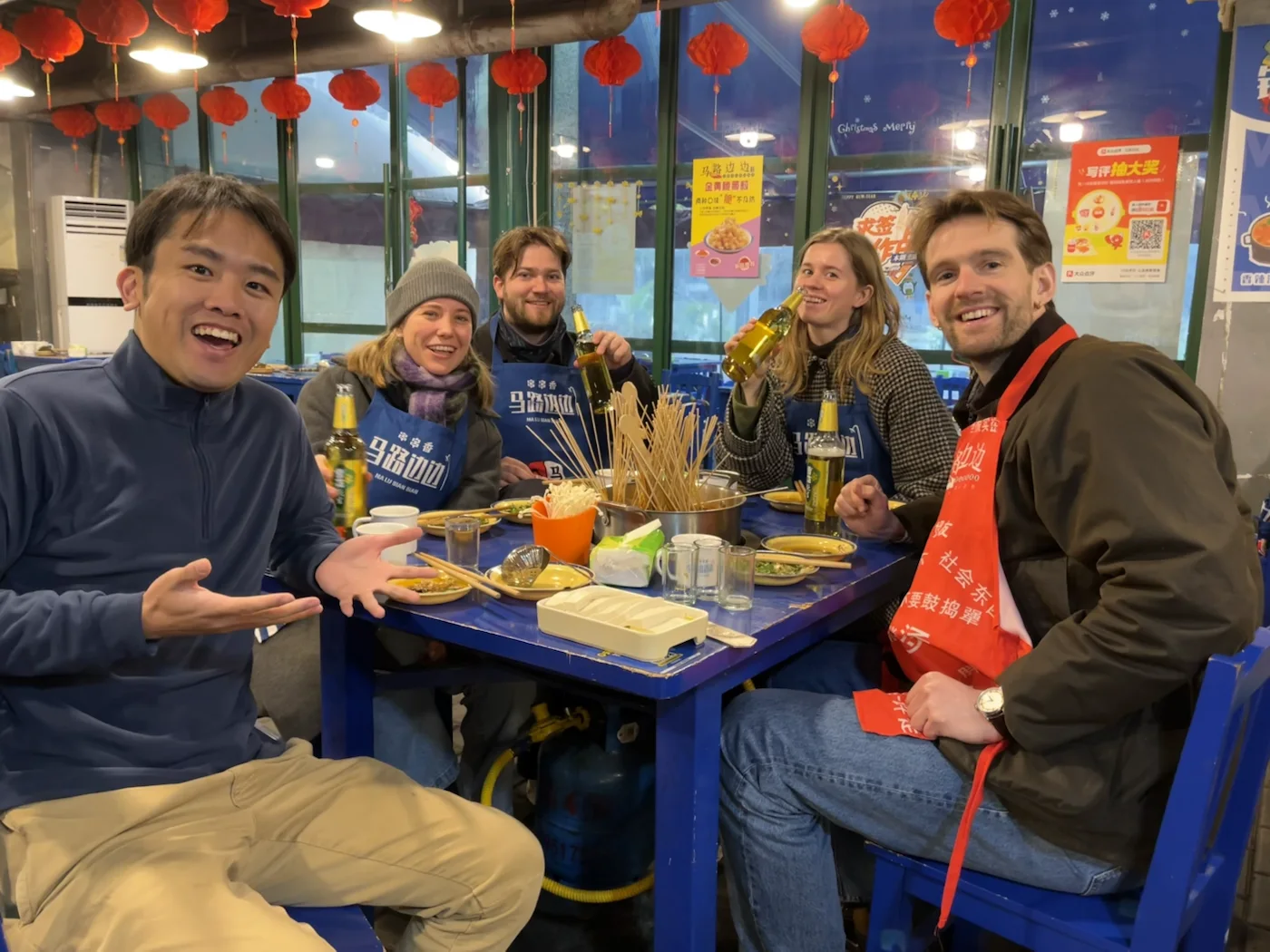
Food here is also a way of organizing social life: meals are shared, neighborhoods are remembered through favorite dishes, and a table creates space for conversation.
Beyond hotpot
- Small plates and cold dishes that introduce aroma, texture and chili oils
- Noodles and dumplings with distinct sauces and regional personalities
- Home-style Sichuan dishes designed to be shared with rice
- Skewers and casual late-night meals
- Tea houses, where time and conversation matter as much as the drink
Understanding málà
The famous málà profile combines chili heat with the fragrant, tingling sensation of Sichuan pepper. But Sichuan cooking contains many other flavor structures, and a thoughtful food journey should show contrast rather than make every dish a test of spice tolerance.
Practical ordering advice
Tell hosts about allergies and dietary restrictions before ordering, ideally with the details written in Chinese. Vegetarian requests can require extra clarity because broths, sauces and cooking fats may contain animal products even when the visible ingredients do not.
Order progressively. A smaller first round gives you room to understand portions and add dishes that balance the table.
Make it personal
Build a Chengdu journey around your curiosity.
Share your dates, pace and interests. ChengduMemo will help shape a private visit or delegation program with local context.
Start an inquiry